


What is DR ABC?
As you do your theory practice, you may come across DR ABC. But what does it actually mean?
What is DR ABC used for?
DR ABC is a way of breaking down what you should do if you come across an accident and there are injured people there.
Let's break it down:
D - Danger

Before you try to help anyone at the scene of an accident, you first need to check for any danger that may cause you or anyone else harm. Make sure that it is safe to approach the injured person.
Look out for things like:
Other vehicles that may be coming towards you
Fire hazard
Toxic substances
and more
R - Response
After you are sure that there is no further danger, you then need to check that the casualty is responsive. You can do this talking to them, asking their name, and gently nudging them to see if you get a response.
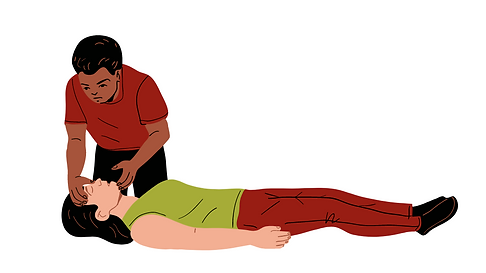
If you don't get a response from them, you then need to check that their airway is open. For an unconscious person, oxygen is vital if they are to stay alive. This is why you must check their airway is open. You can do this by opening their mouth and checking that there is nothing blocking their airway. You may need to remove anything that may be blocking it. Make sure that their tongue is also out of the way and not blocking the airway.
B - Breathing

If their airway is open, you then want to check that they are breathing,
You can do this by:
Listening closely for breathing sounds coming from their mouth and nose
Look to see if their chest is rising and falling
Feel their breath against your cheek for at least 10 seconds
What if they are breathing?
If they are breathing normally, place them in the recovery position so that they can breath easily. You should then keep an eye on them to make sure that they continue to breathe normally.
What if they are not breathing?
If they are not breathing, you should call 999 and begin CPR.
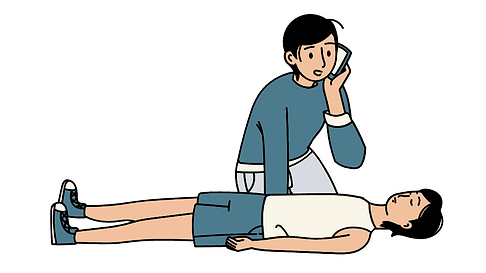
C - Circulation
If the person isn't breathing, you must start chest compressions straight away.
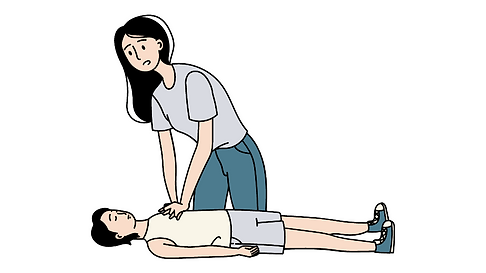
Chest compressions for a child:
4 to 5cm deep and 120 compressions per minute
Chest compressions for adult:
5 - 6cm deep 120 compressions per minute
You should also check the person isn't bleeding.
If they are bleeding, make sure that there is nothing in-bedded in the would and apply firm pressure to minimise the bleeding.
This type of information is important to know and can help you to save someone's life. This is why they come up on theory tests. Click here to practice
Written by:
Mark Zondo
SHARE


Trending

©JNJN LTD 2023